The preservation of native forests in western Asturias is essential for ecological balance, biodiversity protection and environmental sustainability. These ecosystems, made up of species such as oak, chestnut, beech and birch, play a key role in climate regulation, soil conservation and the maintenance of hydrological cycles.
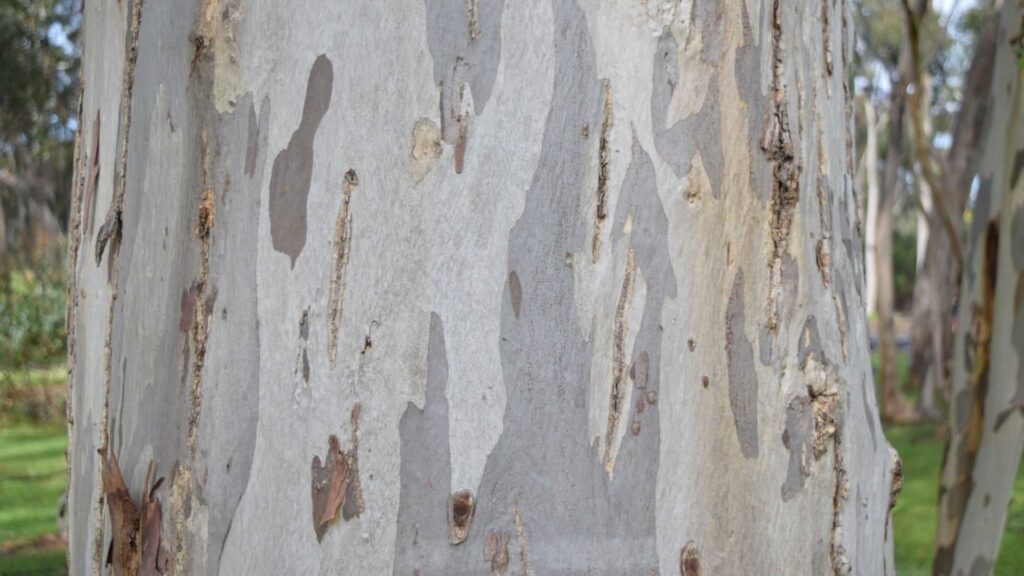
In a region like western Asturias, characterized by its natural wealth and its connection with traditional practices, native forests are the refuge of numerous animal and plant species. From the Cantabrian brown bear to the capercaillie, many of these species depend on these habitats to survive. Deforestation and the expansion of monocultures or invasive species threaten this delicate balance.
In addition to their ecological value, these nativa forests also have cultural and economic importance. For centuries, they have provided essential resources for local communities, such as timber, fruit and mushrooms. Their conservation also contributes to the development of ecotourism, a sustainable alternative that allows visitors to discover the beauty of Asturias without compromising their natural environment.
The preservation of native forests requires a joint commitment between administrations, citizens and conservation organizations. It is necessary to promote sustainable forest management policies, reforestation with native species and environmental education to raise awareness of their relevance.
Protecting these forests means safeguarding the future of Asturias and guaranteeing that future generations will be able to enjoy the natural wealth that defines them. In a world where environmental degradation is advancing, keeping these spaces intact is not only a responsibility, but also an opportunity to consolidate a model of harmonious coexistence with nature.